

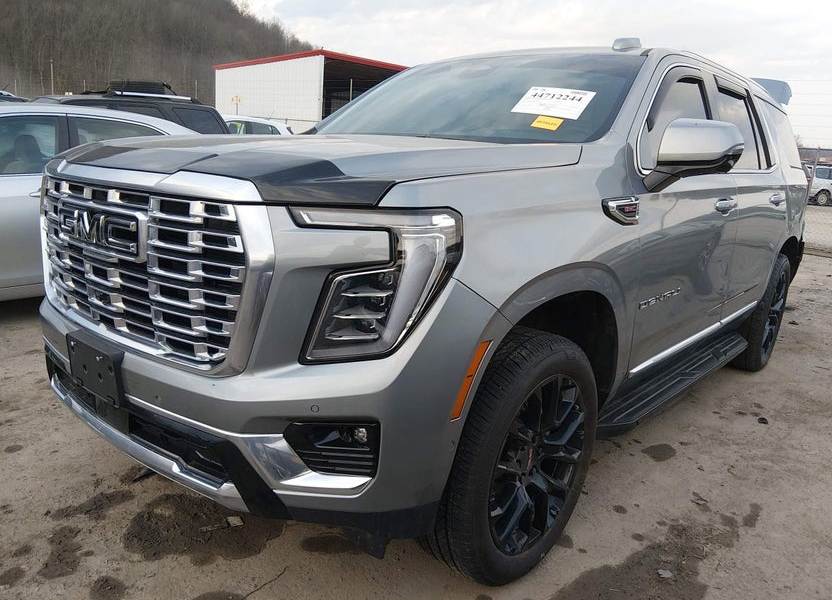
The market for cars for sale in the USA continues attracting buyers from different countries because of the wide range of available vehicles. Buyers can find compact cars, family SUVs, luxury sedans, and commercial trucks within the same marketplace. Vehicle availability changes frequently, which creates new opportunities almost every day. Careful comparison remains important because similar vehicles may differ greatly in condition, mileage, equipment packages, and overall ownership history.
Looking Beyond Prices
Whenever volume buyers analyze major vehicle auctions across the United States, upfront sticker pricing represents a major variable, even though different hidden setup details need serious attention too. Full maintenance histories, clear legal titles, honest vehicle inspection sheets, and real odometer numbers together show the true market price of a work truck. Choosing a low starting bid rarely guarantees sustained savings regarding backend operational expenditures over time. Particular fleet choices often necessitate major refurbishment work or instant mechanical checkups upon arrival. Running a deep audit on every surrounding operational metric consistently empowers asset managers to make safer, data-backed investment decisions.
Understanding Salvage Listings
A salvage car auction is a great place to get access to vehicles that have been in any damage situation, have been stolen and recovered, or have been a part of any insurance-related claim. The cars are also frequently the targets of potential buyers wanting to do repair work or spend a cheaper amount entering the market. The value of condition reports is particularly heightened in this type of environment. It can be useful to take photographs to show visible problems; it can also be useful to have written documentation to display other information. A thorough review of records can assist buyers in understanding what might need to be done to repair the home.
Comparing Vehicle Categories
One may think that the list of cars for sale in USA is limited to just regular passenger cars. It’s possible that buyers might come across a sports car, a pickup truck, or an electric car, as well as commercial transport vehicles, when they’re looking. There are various types of ownership and operating expenses to consider. Having an idea of what the vehicle will be used for will make comparisons much easier. A practical approach will normally make it easier to arrive at the available choices.
Reviewing Auction Documents
It is important to document when bidding at a salvage vehicle auction. Whenever they exist, buyers should look at the title information and ownership history and review the inspection data. If there is missing or inadequate information, they should be attended to before proceeding. Sometimes information contained in documents can be compared to a listing description and can provide some interesting information. One of the best things you can do as a buyer is to do comprehensive document review throughout the buying process.
Preparing for Transportation
Often, the process of arranging the delivery of the vehicles is overlooked, particularly in regard to shipping. Shipping arrangements are sometimes overlooked even though it is one aspect of the vehicle selection process. When shopping for cars for sale in the USA, it’s important to factor in travel expenses early in the process. Finally, factors such as the size of the vehicle, the destination, the country where it is sent, and how it is transported all affect expenses. Buyers from overseas might also face customs clearance and import regulations. Knowing this in advance will leave you with the correct expectations about when you’ll receive the item and how much it will cost.
Conclusion
Procuring vehicles within the United States market yields a vast spectrum of solutions tailored to diverse operational mandates and corporate budget thresholds. Among the various global platforms that procurement teams utilize while evaluating concurrent inventory and verifying cross-border vehicle shipping parameters is Auto4export.com. Whether navigating mainstream asset inventories or managing salvage fleet liquidation events, exercising strict due diligence remains imperative throughout the entire transaction pipeline. Verifying past maintenance records, calculating complex logistical freight variables, and audit-checking official title paperwork serve to stabilize the transaction. Allocate sufficient time to evaluate your strategic alternatives and execute procurement agreements that align with your organizational goals.

